

Great coffee starts with fresh beans, but the equipment you brew with decides how much of that quality makes it into your cup. At JCO Roast, every batch is roasted only after you place your order, so the coffee arrives at peak freshness. The right coffee brewing equipment protects that freshness and turns it into a clean, flavorful brew instead of a flat, bitter one.
You do not need a wall of gadgets to brew excellent coffee at home. A focused set of tools, chosen for the way you actually brew, matters more than owning every item in a catalog. This guide covers the equipment that earns a place on your counter, from automatic drip makers to espresso machines, and helps you decide what fits your routine.
Start With the Grinder and the Scale
A grinder is the single piece of equipment with the largest effect on flavor. Coffee extracts best when the grounds are consistent in size, because uniform particles release their flavors at the same rate. The Baratza Encore Grinder is one of the most commonly recommended home grinders and appears across retailer brewing equipment collections.
A scale earns a spot right next to the grinder. Coffee brewing tool collections routinely include scales along with grinders, kettles, and filters, all built to help you get the full flavor from your beans. Weighing your coffee and water gives you repeatable results, so a great cup is something you can recreate every morning rather than a lucky accident.
Automatic Drip Coffee Makers for Consistent Mornings
For drinkers who want quality without hands-on attention, automatic drip coffee makers are the easiest path. The machine handles water heating, pouring, and timing, leaving you with a full carafe and a dependable brew. The Moccamaster KBGV Select Automatic Home Brewer is a frequently recommended model and shows up in multiple retailer equipment collections.
Drip makers also come in a wide range of options. One commercial brewing catalog lists 14 drip coffee makers in its commercial category alone, and home options are even more varied. Programmable brewers let you set a brew time in advance, which helps on busy mornings. If your goal is a reliable cup with minimal effort, a solid drip machine is hard to beat.
Pour-Over Coffee Makers for Manual Control
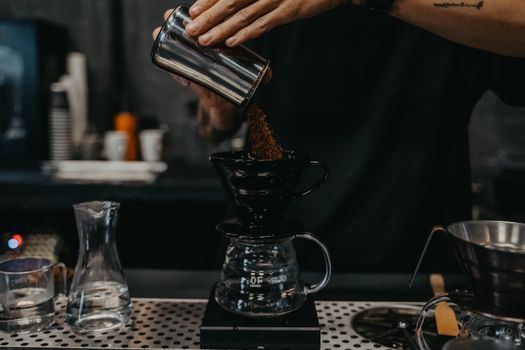
Pour-over brewing is where coffee brewing equipment becomes personal. With a kettle, a filter, and a dripper, you control the pour rate, the water temperature, and the total brew time. That control lets you adjust the flavor toward your preference, producing a brighter, lighter cup or a deeper, richer one.
Well-known pour-over brands include Hario, Chemex, Kalita, and Aeropress. These manual brew supplies are stocked by specialty roasters, and each produces a slightly different cup. Hario and Kalita offer cone-style drippers, Chemex uses a distinctive flask, and Aeropress uses air pressure for a quick, clean brew. Trying two or three of these brewers is an affordable way to learn which style you prefer.
You will also need filters matched to your dripper, so check the filter type before you buy. Most retailers sell filters alongside the brewers themselves, which makes it easy to keep your setup stocked.
French Press: Simple and Forgiving
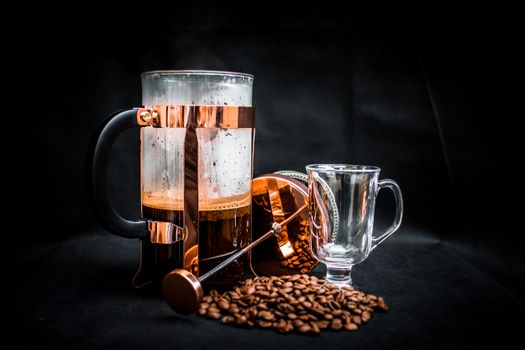
The French press is one of the most approachable pieces of coffee brewing equipment. It requires no paper filters, no special pouring technique, and no electricity. You add coarse coffee, pour in hot water, wait a few minutes, and press the plunger. The result is a full-bodied cup with more oils and sediment than filtered methods.
French presses appear in nearly every coffee brewing equipment collection, and they are often the first brewer a new coffee lover buys. They are also budget-friendly, which makes them a low-risk starting point. If you are not sure which brewing style fits you, a French press is a good place to begin.
Espresso Machines: From Entry Level to Serious Investment
Espresso demands more from its equipment than any other brewing method. Espresso machines range from compact home units to commercial-grade machines, and prices reflect that range. On the home side of the market, the Breville Barista Express Impress is priced at $899.95. The Breville Barista Touch sits at $999.95 and adds a more automated touchscreen workflow. The Breville Dual Boiler is priced at $1,599.95, and the Oracle Jet tops the line at $1,999.95. Models like the Espresso Series 1 are also available through specialty equipment retailers.
Each machine approaches grinding, steaming, and temperature control differently. If you are considering espresso, factor in the learning curve. The machine is only half of the equation. A good grinder and fresh beans matter just as much, which is why espresso drinkers often pair their machines with a dedicated grinder.

Milk Frothers and Electric Kettles
Once you have a brewer, small accessories make the daily routine more enjoyable. Milk frothers are a popular add-on for anyone who likes lattes, cappuccinos, or flavored drinks at home. They produce the textured milk that turns a plain espresso into a café-style drink.
Electric kettles are another practical tool, especially for pour-over and French press brewing. They heat water quickly, and many allow you to set a target temperature. That matters because water that is too hot can over-extract coffee and make it taste bitter. One commercial brewing catalog lists two electric kettles alongside its drip makers and espresso machines, and home retailers carry even more.
A basic kit of grinder, scale, kettle, and filters covers most home brewing methods.
Commercial Coffee Brewing Equipment
Home brewers are not the only ones shopping for equipment. Cafés and offices need commercial coffee brewing equipment built for higher volume and continuous use. The commercial category includes commercial espresso grinders, commercial coffee grinders, commercial brewers, commercial espresso machines, and water filtration systems.
Water filtration is an underrated part of a café setup. The water that runs through an espresso machine carries minerals that can affect both taste and machine maintenance. Commercial equipment retailers treat filtration as a standard category alongside brewers and grinders.
If you are opening a café or upgrading an existing shop, choose equipment that matches your expected volume. A commercial espresso machine paired with a commercial grinder forms the core of most coffee bars.
How to Choose What You Really Need
The right coffee brewing equipment depends on the coffee you drink and the time you want to spend. A practical approach is to start with the method you already enjoy and upgrade the weakest part of your setup.
Here is a quick way to match equipment to your routine:
Automatic drip maker or French press for hands-off mornings
Pour-over dripper, kettle, and filters for manual control
Espresso machine and grinder for milk-based drinks
Retailers like Boyer's Coffee note that their equipment range suits any budget and any coffee lover, from automatic drip coffee makers and French presses to pour-over makers. That range exists because there is no single best brewer. The best equipment is the one you will use consistently, especially when paired with beans roasted at their peak.
Frequently Asked Questions
What is the most important piece of coffee brewing equipment?
The grinder is the most important tool for most home brewers. Consistent grind size allows even extraction, which directly affects flavor. Many coffee equipment collections pair a grinder like the Baratza Encore with scales, kettles, and filters, signaling that fresh grinding is the first step toward a better cup. If you add only one piece of equipment, make it a grinder.
Is pour-over better than drip coffee?
Neither method is objectively better; they produce different cups. Pour-over brewers like Hario, Chemex, Kalita, and Aeropress give you manual control over water flow and brew time, while automatic drip makers such as the Moccamaster KBGV Select deliver consistency with less effort. Your preference for hands-on brewing versus convenience should guide the choice.
How much do home espresso machines cost?
Home espresso machines cover a wide range. Example models from one specialty retailer include the Breville Barista Express Impress at $899.95, the Breville Barista Touch at $999.95, the Breville Dual Boiler at $1,599.95, and the Oracle Jet at $1,999.95. Prices vary by retailer, so compare current listings before you buy.
Do I need a scale for coffee brewing?
A scale helps you repeat a good recipe. Coffee equipment collections routinely include scales because measuring both coffee and water produces consistent strength and extraction. Without a scale, small variations in dose change the flavor from day to day. A simple digital scale is inexpensive and makes a noticeable difference in brew quality.