

Earl Grey is one of the most recognized flavored black teas, yet many home brewers are surprised by how easy it is to get a bad cup. The usual culprits are water that is too hot, leaves that steep too long, or too much tea in the pot. The good news is that the fix is simple. With a few basic steps and a little attention to timing, you can brew a cup that tastes the way Earl Grey is meant to taste.
Here is the short version: use fresh water, pre-warm your teapot, measure one teaspoon of loose leaf Earl Grey per cup, heat the water to just below boiling, steep for three to four minutes, and remove the leaves on time. Each of those steps matters, and the sections below explain why.
Why the Brewing Method Makes a Difference
Earl Grey is a black tea flavored with bergamot, a citrus fruit that gives the tea its signature aroma. Because Earl Grey is made from fully oxidized black tea leaves, it can handle hotter water than delicate green or white teas. That does not mean it is indestructible. Water that is too hot or a steep time that runs too long pushes the tea into bitter territory, and once that happens, the bergamot character gets buried under the harshness.
The brewing guides in the research all point to the same conclusion: temperature control and timing are the two variables that matter most. Water temperature around 208 degrees Fahrenheit, just below the boiling point, is consistently recommended. Steep time recommendations cluster around three to five minutes, with three to four minutes being the sweet spot for a balanced cup. When those two numbers are respected, the result is a smooth, aromatic cup with a pleasant citrus lift.
What You Need Before You Start
Before you brew, gather the basics. You do not need a full tea bar, but the right equipment makes the process easier and more repeatable.
- A high-quality loose leaf Earl Grey blend. The Scout Guide's tea expert, Abigail StClair of TeBella Tea Company, lists this as the first and most important step.
- A teapot with a steeping basket, or a mug with a simple tea infuser.
- Fresh water drawn right before brewing.
- A kettle. An electric kettle with a temperature setting is convenient, but a regular stovetop kettle works.
- A timer or your phone.
Loose leaf tea is the recommended starting point in the research, and for good reason. A high-quality loose leaf blend gives the water room to extract flavor evenly, which makes it easier to avoid the bitterness that comes from over-extraction. If you already have a good loose leaf Earl Grey on hand, you are most of the way to a better cup.
How to Brew Earl Grey Tea, Step by Step
The method below follows the five-step process outlined in the Valley of Tea brewing guide, with additional details from the Tea Forte and The Scout Guide sources.
Step 1: Start with Fresh Water
The first step in the Valley of Tea guide is fresh water. Fill your kettle with cold, fresh water rather than reusing water that has already been boiled and cooled. Fresh water keeps the flavor clean and lets the tea and bergamot come through clearly. If your tap water has a strong mineral or chlorine character, filtered water is a safer choice for a cup you will actually enjoy.
Step 2: Pre-Warm Your Teapot or Cup
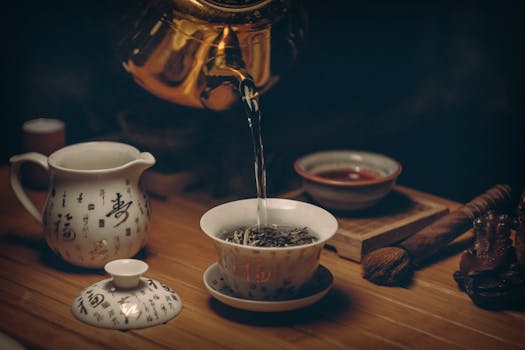
The second step is pre-warming. Pour a small amount of hot water into your empty teapot or mug, swirl it around to warm the walls, and then discard the water. This keeps the brewing water at the correct temperature for the full steep. A cold teapot absorbs heat from the water the moment the tea goes in, which can drop the temperature below the ideal range and change how the leaves extract.
Step 3: Measure the Right Amount of Tea
For one cup, measure one teaspoon of loose leaf Earl Grey into your steeping basket or teapot. That measurement comes directly from the Nourishing Simplicity brewing guide. If you are making a full pot, scale up proportionally by the number of cups the pot holds. Resist the urge to add extra tea for more flavor. Adding more leaves than the water can handle usually produces astringency rather than richness.
Step 4: Heat the Water to Just Below Boiling
Earl Grey should be brewed with water heated to 208 degrees Fahrenheit, according to Tea Forte, which is just below the boiling point. The Valley of Tea guide gives the same instruction in metric as 95 degrees Celsius. If your kettle has a temperature setting, set it to that range. If it does not, bring the water to a boil and let it rest briefly before pouring. Boiling water straight off the stove is too aggressive for black tea leaves and can make the cup bitter.
Step 5: Steep for Three to Four Minutes
Add the hot water to your teapot and start the timer immediately. The Scout Guide and Tea Forte both recommend a steep time of three minutes. Valley of Tea extends the acceptable window to three to four minutes, and Nourishing Simplicity allows up to five minutes. The sweet spot for most drinkers sits at three to four minutes. Steeping longer extracts more bitterness, so if you prefer a stronger cup without the harsh edge, add a little more tea next time instead of pushing the steep time.
Step 6: Remove the Leaves on Time
The final step in the Valley of Tea process is the one people skip most often. When the timer goes off, remove the steeping basket or strain the tea immediately. Do not leave the leaves sitting in the pot while you sip. The leaves continue to release tannins into the water, and within a few minutes the tea can turn bitter and flat. If you are brewing a pot, strain the tea into a warmed serving pot or pour it into cups as soon as the steep is complete.
Common Mistakes That Ruin a Cup of Earl Grey
Most bad cups of Earl Grey are caused by a small number of repeatable errors. The research sources point to the same offenders, so it helps to name them directly.
- Water that is too hot. Water poured the instant it reaches a rolling boil can scald the leaves.
- Steeping too long. Every minute past the four-minute mark increases bitterness and dulls the bergamot aroma.
- Using too much tea. One teaspoon per cup is the standard. Overloading the basket makes the cup astringent.
- Leaving the leaves in the cup. Even after the steep is finished, leftover leaves keep releasing flavor and turn the last sips bitter.
Avoid these four and you have already solved most of the problems people run into with Earl Grey at home.
How to Take Your Earl Grey
Once the tea is brewed, the next decision is personal. Tea Forte's guide calls this the most important part: how do you take your tea? Some drinkers prefer a completely unadorned cup to taste the bergamot clearly. Others reach for milk, sugar, honey, or a slice of lemon. The research does not declare a single correct answer, and the best approach is to experiment. Brew a plain cup first to see how the blend tastes on its own. Then add milk or lemon in small amounts and see which version you prefer. A well-brewed Earl Grey is enjoyable any of these ways.
Making Your Own Earl Grey at Home
If you are curious about the flavor composition, The Kitchn describes a simple DIY version made by mixing dried bergamot peel into a strong black tea. The recipe in that guide calls for about three one-inch pieces of dried bergamot peel. This homemade approach is more of a kitchen experiment than a substitute for a properly blended commercial Earl Grey, but it demonstrates that the defining character of this tea really comes from the bergamot. If you enjoy citrus-forward black teas, it is a fun way to understand what goes into the cup.
Frequently Asked Questions
How much Earl Grey tea should I use for one cup?
Use one teaspoon of loose leaf Earl Grey for a standard cup of water. That measurement comes from the Nourishing Simplicity brewing guide and is the amount most commonly recommended across the sources. If you prefer a stronger cup, add a small amount of tea rather than extending the steep time, since longer steeping tends to bring out bitterness instead of flavor.
What water temperature is best for Earl Grey tea?
Earl Grey should be brewed with water heated to roughly 208 degrees Fahrenheit, which is just below the boiling point of 212 degrees. The Valley of Tea guide phrases the same target as 95 degrees Celsius. If your kettle cannot hold a temperature, bring the water to a boil and let it rest for a short moment before pouring so it does not hit the leaves at a full rolling boil.
How long should I steep Earl Grey tea?
The recommended steep time is three to four minutes. The Scout Guide and Tea Forte both recommend three minutes, while Valley of Tea gives a window of three to four minutes. Remove the leaves as soon as the timer finishes. Letting them sit longer than four minutes increases the chance of a bitter, astringent cup with a faded citrus note.
Should I add milk or lemon to Earl Grey?
There is no single correct answer in the research sources. Some drinkers prefer Earl Grey plain to taste the bergamot clearly, while others like it with milk, sugar, honey, or lemon. The best approach is to brew a clean cup first and then adjust to your own taste. A properly brewed cup of high-quality Earl Grey holds up well both plain and dressed up.