

Matcha is a green tea with a loyal following, and for good reason. It is an energizing, antioxidant-packed drink that you can prepare in minutes. Making matcha at home is not complicated, but it does involve a few specific steps that make a real difference in how the tea looks and tastes. This guide explains the process clearly so you can make a smooth, frothy cup of matcha in your own kitchen.
The essentials are simple: good matcha powder, hot water at the right temperature, and a bamboo whisk. Once you understand the basic technique, you can adjust the amounts to suit your taste and even turn your matcha into a creamy latte with milk.
What You Need to Make Matcha at Home
Before you start, gather your ingredients and tools. None of them are complicated, and most are easy to find at tea shops or online.
- Matcha powder. Most recipes call for between ¼ teaspoon and 1 teaspoon, depending on the size of your serving.
- Hot water. The recommended temperature is 170°F to 180°F. Some sources describe 175°F as ideal.
- A bowl. The matcha is whisked in a bowl first, then poured into your cup.
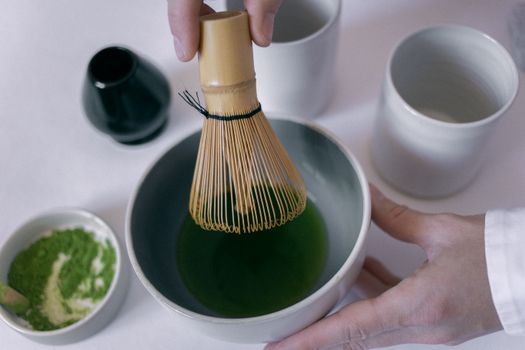
- A chasen. This bamboo whisk is the traditional tool for making matcha and is the key to getting a smooth, frothy texture.
- A drinking vessel. A mug or glass works well for your finished drink.
- Milk, if you want a latte. Steamed milk is a popular choice, while warm or cold milk also works. Almond milk is a common dairy-free option.
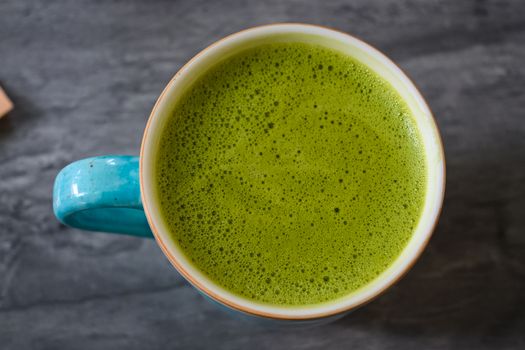
You can start with the basics and add more tools later. The chasen is the one item that matters most, because it is responsible for the creamy foam that defines a well-made cup of matcha. Many drinkers describe this frothy layer as similar to the crema on a well-pulled espresso.
Place the tea in the bowl, add hot water, and mix with the chasen. That is the heart of the method, but the details of technique are what separate a good cup from a great one.
Step-by-Step: How to Make Matcha at Home
Below is the classic sequence used in traditional matcha preparation. It starts with heating water and ends with a finished drink that is ready to enjoy.
Step 1: Heat the Water to the Right Temperature
Begin by heating your water. The target temperature is between 170°F and 180°F, with 175°F often cited as ideal. This range is hot enough to mix smoothly with the matcha powder, but not so hot that it makes the tea taste bitter or harsh.
If your kettle has a temperature setting, set it and wait for the water to come to temperature. If you are using a standard kettle, bring the water to a boil and then let it rest for a minute or two before whisking. The exact amount of water you need depends on the recipe you follow. A concentrated cup uses about 2 ounces of hot water for the initial whisk, while a larger mug may use the full amount of water right away.
Step 2: Scoop and Sift the Matcha Powder
Next, add your matcha to the bowl. Recipes differ in how much powder they use. A more concentrated, latte-style serving might start with ¼ teaspoon, while a bigger mug of plain matcha often uses 1 teaspoon.
Sifting the powder into the bowl is a step that should not be skipped. It breaks up any clumps in the powder, which makes whisking easier and gives you a smoother final drink. The traditional guidance is to scoop and sift the matcha into the bowl before adding water.
Step 3: Add Water and Whisk with the Chasen
Once the matcha is in the bowl, add your hot water and begin whisking. Hold the chasen with a relaxed grip and mix the powder and water together using a quick back-and-forth motion.
The technique matters more than speed alone. Raise the chasen a little from the bottom of the bowl and whip it vigorously back and forth. This motion creates the fine bubbles that form the frothy layer on top of the tea. A gentle circular stir will not produce the same result, so focus on keeping the whisk moving quickly and evenly through the liquid.
You will see the surface of the tea change as you whisk. The liquid becomes smoother, and a light foam builds across the top. This is the creamy, frothy texture that matcha enthusiasts look for in a well-prepared cup.
Step 4: Pour and Finish Your Drink
When your matcha is smooth and foamy, pour it into a drinking vessel filled with your remaining liquid. Many recipes call for 6 ounces of additional hot water or steamed milk at this stage, which brings the drink to about 8 ounces total.
Another common approach keeps things even simpler. Whisk 1 teaspoon of matcha directly into a full 12 ounces of hot water at 170°F. This method skips the second pour and produces a larger, straightforward cup of matcha green tea.
The table below compares these two recipe styles so you can see the difference at a glance.
| Detail | Concentrated Cup | Large Mug |
|---|---|---|
| Matcha powder | ¼ teaspoon | 1 teaspoon |
| Water temperature | 175°F | 170°F |
| Water for whisking | 2 ounces | 12 ounces |
| Liquid added after whisking | 6 ounces hot water or steamed milk | None |
| Approximate final size | 8 ounces | 12 ounces |
Both methods produce good results, so the best choice depends on your preference. Start with one recipe, taste the result, and adjust the amount of powder or liquid the next time.
How to Make a Matcha Latte at Home
If you enjoy matcha lattes from cafés, you can make a similar drink at home with the same basic technique. Begin with the concentrated method: whisk ¼ teaspoon of matcha with 2 ounces of hot water at 175°F until the tea is smooth and frothy.
Then choose your milk. Steamed milk gives the most café-like texture, but warm milk or cold milk also work well. If you prefer a dairy-free option, almond milk is a common choice. Pour the whisked matcha into a drinking vessel filled with your milk, or pour the milk over the matcha. The result is a creamy latte with a layer of foam on top.
The ratio of matcha to milk is flexible. Use more milk for a milder, creamier drink, or add less milk if you want a stronger matcha flavor. The whisking technique stays the same, so you can experiment freely once you have the basic method down.

Tips for Making Matcha at Home
Small adjustments can make a noticeable difference in your matcha. Keep these tips in mind as you practice.
- Sift the matcha before whisking to prevent clumps and create a smoother drink.
- Keep the water temperature in the 170°F to 180°F range, with 175°F as a good target.
- Whisk with the chasen raised slightly from the bottom of the bowl, moving it back and forth vigorously.
- Match the amount of powder to your serving size. Use closer to ¼ teaspoon for a small concentrated cup and 1 teaspoon for a large mug.
- Add milk after whisking if you want a creamier, latte-style drink. Warm, cold, and almond milk are all popular options.
Making matcha is a simple routine once you learn the motion. The first cup may not look like the ones you see at a tea shop, but every attempt improves your technique and brings you closer to a perfectly frothy result.
Frequently Asked Questions
These are the questions that come up most often when people start making matcha at home.
What temperature should the water be for matcha?
Matcha guides recommend water between 170°F and 180°F. Some sources call 175°F ideal, while others use 170°F or 180°F. Water in this range is hot enough to blend smoothly with the powder but not so hot that it makes the tea bitter. If you do not have a temperature-controlled kettle, let boiling water sit for a minute or two before whisking.
Can I make matcha with milk instead of water?
Yes. The most common method is to whisk the matcha with a small amount of hot water first, then add milk. One recipe uses 2 ounces of hot water for whisking followed by 6 ounces of steamed milk. Another guide recommends pouring the whisked matcha into warm or cold milk, depending on the style of drink you want.
What is a chasen and why is it important?
A chasen is a bamboo whisk used to prepare matcha. The technique involves raising it slightly from the bottom of the bowl and whipping it back and forth vigorously. This motion creates the smooth, frothy texture that matcha is known for. If you want that creamy layer of foam, the chasen is the best tool for the job.
How much matcha powder should I use?
It depends on the size and strength of your drink. One recipe uses ¼ teaspoon of matcha with 2 ounces of hot water, then adds 6 ounces of additional liquid for an 8-ounce serving. Another guide uses 1 teaspoon of matcha with a full 12 ounces of water at 170°F. Start with one of these ratios and adjust to taste.
Why is my matcha not frothy?
Froth comes from the whisking technique. The chasen should be raised a little from the bottom of the bowl and moved back and forth quickly and vigorously. If your matcha will not froth, check your speed and make sure your water is in the 170°F to 180°F range. With practice, the foam will build more easily.
Matcha at home comes down to the basics: quality powder, water at the right temperature, and a whisking motion that builds foam. Once those pieces are in place, you can make a satisfying cup of matcha any day of the week, served plain or turned into a smooth latte with the milk of your choice.