

There is a moment when coffee is at its best. The beans have just come out of the roaster, still warm, glossy with oils, and releasing a smell that fills the whole room. That moment does not last forever. Within days, the same beans begin to change, and the flavors that made them special start to fade. This is why freshly roasted coffee tastes better, and it is also why fresh roasted coffee benefits go far beyond a pleasant ritual.
Coffee is a natural product, and like all natural products, it responds to time and air. The moment a bean is roasted, it begins releasing the aromatic compounds that carry flavor. Some of those compounds last for a while, and some disappear quickly. The difference between a coffee that tastes vibrant and one that tastes flat often comes down to how many days have passed since the roast date. When you choose beans that were roasted recently, you are choosing the version of that coffee with the most to offer.
What Happens When Coffee Is Roasted
Green coffee beans have little in common with the roasted beans you grind at home. Heat transforms them. Roasting develops the color, the aroma, and the chemical structure that creates the flavors people recognize as coffee. During roasting, beans expand, oils move to the surface, and a wide range of flavor compounds form.
Once the roast is complete, the clock starts ticking. Freshly roasted coffee beans retain more of the beneficial compounds that contribute to both flavor and health. Over time, those compounds break down and fade. The longer the gap between roast and brew, the more that is lost. That is why a roast-to-order approach makes a measurable difference in the cup.
Mass-market coffee often follows a long path. It moves from the roaster to a warehouse, then to a store shelf, and finally to a kitchen. By the time it is brewed, a good share of the compounds that create a lively cup have already faded. Roast-to-order coffee avoids that long chain by moving straight from the roaster to the customer.
The Flavor Difference: Aroma, Sweetness, and Complexity
Taste and smell work together. Much of what you perceive as flavor actually comes from aroma. Freshly roasted beans release volatile aromatic compounds that your nose picks up the moment you open the bag. As those compounds dissipate, the coffee loses brightness, sweetness, and complexity.
Buying from a roaster that works in small batches provides several advantages. Fresher beans mean a shorter time from roast to grind, which keeps more of the aromatic material intact. Roasters who roast to order also have greater control over roasting profiles and batch size. That control allows them to bring out specific tasting notes instead of producing a generic, shelf-stable product.
The practical result is simple. Coffee roasted recently has a fuller aroma, a cleaner flavor, and a more pleasant finish than coffee that has been sitting in a warehouse or on a store shelf for weeks. If you have ever compared a fresh bag to a grocery store bag from the same region, the difference is easy to notice.
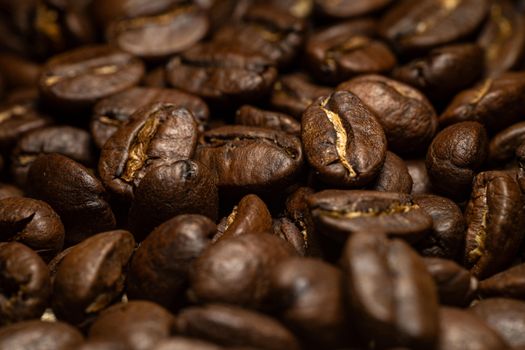
Fresh Roasted Coffee Benefits Beyond the Cup
The reasons to choose freshly roasted coffee are not limited to taste. Coffee beans are one of the richest dietary sources of antioxidants, and research links moderate coffee drinking to benefits for the brain, liver, metabolism, and mood. Freshness plays a role in how much of that potential makes it into your cup.
Fresh-roasted beans retain more antioxidants and beneficial compounds than beans that have been stored for long periods. Antioxidants help fight free radicals, which are unstable molecules that can cause cellular stress. Drinking coffee can also provide a natural caffeine boost for focus and alertness, support mood, and give your metabolism a gentle nudge.
Locally roasted coffee adds another advantage. When the distance between the roaster and your door is short, the beans spend less time in transit. That shorter journey works toward the same goal: keeping the time between roast and brew as small as possible. Whether you buy from a local shop or order online from a roast-to-order roaster, the principle stays the same.
Several health-focused observations about fresh coffee stand out:
- Fresh coffee can help fight inflammation.
- It supports brain health.
- It boosts metabolism naturally.
- It provides a natural source of caffeine for alertness.
- Regular consumption of medium roast coffee can support immune health.
These fresh roasted coffee benefits are strongest when the beans themselves are at their best. A bean that has lost its aromatic oils has also lost some of the compounds that contribute to wellness. That is another reason freshness matters.

Roast Level and What It Means for Your Body
Not all roasts act the same way. The roast level affects both flavor and how the coffee interacts with your body. Choosing the right level comes down to your priorities.
Light roasts are typically chosen for maximum antioxidants. Because the beans are roasted for less time, more of the natural compounds survive the process. If you want the highest antioxidant content, a light roast is the usual recommendation.
Dark roasts are often preferred for digestive comfort. The longer roasting process changes the profile of the beans, and some people find that darker roasts are gentler on their stomach. If your priority is comfort after the cup, a dark roast may be the better fit.
Medium roasts sit in the middle, and they offer balance. Regular consumption of medium roast has been linked to supporting immune health and enhancing the body's ability to ward off various diseases. Medium roasts also tend to deliver a rounded flavor that appeals to a wide range of coffee drinkers.
If you are unsure where to start, a medium roast is a reasonable middle ground that combines flavor, antioxidants, and comfort. Light roasts maximize antioxidants, and dark roasts prioritize digestion. There is no single correct choice, only the right choice for your body and your palate.
How to Get the Most From Freshly Roasted Coffee
Freshness is a team effort between the roaster and the person brewing at home. A roaster can send you beans at peak flavor, but how you handle them after that makes a difference.
Choose a roaster that operates on a roast-to-order model. When beans are roasted only after an order is placed, they are not sitting in a warehouse while the clock runs. The beans arrive close to their peak, giving you the full window of freshness.
Grind only what you need. The shorter the time from roast to grind, the more flavor and aroma survive. Whole bean coffee keeps its compounds protected until the moment of grinding. If you buy ground coffee, use it quickly and store it carefully.
Pay attention to the time between roasting and delivery. A roaster that tells you when the beans were roasted gives you useful information, because you have no way of knowing how long a bag has been sitting otherwise. That timing is a better indicator of quality than a distant date on a label.
Keep your brewing routine consistent. Fresh beans reward attention, and a simple, clean brewing method lets the natural flavors show. Pour-over, drip, and espresso all work well when the coffee is fresh and the grind is matched to the method.

Frequently Asked Questions
Here are answers to common questions about fresh roasted coffee and how to get the most from your beans.
Is freshly roasted coffee healthier than shelf-stored coffee?
Yes. Fresh-roasted beans retain more antioxidants and beneficial compounds compared to beans that have been stored for long periods. These compounds are part of what makes coffee a valuable part of a balanced routine. Choosing beans with a recent roast date is one of the simplest ways to get more from every cup, both in terms of flavor and wellness.
Which roast level is the healthiest?
It depends on your goal. Light roasts are generally chosen for maximum antioxidants because the shorter roasting process preserves more natural compounds. Dark roasts are often preferred for digestive comfort. Medium roasts offer balance and have been linked to supporting immune health. All three can be part of a healthy routine, depending on what your body responds to best.
How does coffee support brain and body health?
Coffee beans deliver antioxidants that fight free radicals, along with a natural caffeine boost that supports focus and alertness. Research links moderate coffee drinking to benefits for the brain, liver, metabolism, and mood. Freshly roasted coffee can also help fight inflammation and boost metabolism naturally, making the timing of your roast part of the overall benefit.
What should I look for when buying freshly roasted coffee?
Look for a roast date on the bag when it is available, and choose a roaster that roasts to order. A shorter time from roast to grind preserves more flavor and aroma. If you value freshness, whole bean coffee is the better choice, because the beans stay protected until you grind them. Small-batch roasting also gives the roaster more control over the final profile.